'/%3e%3c/mask%3e%3cg%20mask='url(%23mask0_3045_12)'%3e%3crect%20width='22'%20height='22'%20fill='%23404D63'/%3e%3c/g%3e%3cdefs%3e%3cpattern%20id='pattern0_3045_12'%20patternContentUnits='objectBoundingBox'%20width='1'%20height='1'%3e%3cuse%20xlink:href='%23image0_3045_12'%20transform='scale(0.01)'/%3e%3c/pattern%3e%3cimage%20id='image0_3045_12'%20width='100'%20height='100'%20xlink:href='data:image/png;base64,iVBORw0KGgoAAAANSUhEUgAAAGQAAABkCAYAAABw4pVUAAAAAXNSR0IArs4c6QAAAARnQU1BAACxjwv8YQUAAAAJcEhZcwAADsMAAA7DAcdvqGQAAATmSURBVHhe7Z1p6GVjHMf/DGXGlmXIFlnSWAahZCkyXpB4IUZeKBlblkRSIu9QijfyQqFkKaXsKZkhspQU2RIvRJbInn37fMfc+nl6zj33uf9zz/k9d36f+tT8597z3Oe53865Z3t+Z2FGHILr8Bf8J/FzvBWXokc2wcvwQ/wLbd9/xzfxNKyGo/E3tAPJ+TIuQW/cibn+pl6MVfAu5gaQ81L0xFH4N+b6mvoTLkfX7I65zjf5KHriesz1s8nT0TUHo+3wW2g5Fu3rL6Inbkbbv0vQkm7OzkHXRCDOiEBmzGa4XYHHoO1wWyCvYK6dobwdbf/aArkAc+00uRVOxZH4AuaOI0psC8S7bYFM48d4Nk7MKvwTc42VGoE0ez5OxGuYa2AaI5Bmv8PWsxU6crZrhw6Svinwe7Qf2hbIH5hrZyjTTXRbIDo4zLXTpE692OWPwLFsi3YBpVhC7GWN50m0y+v7GEsE8v/+RSADM/eBvI97G89C+7r3QG5A2//70b7uPhCd/bTLt/kweuJazPWzyZOxhN4DEc+jbWOcWmM8sT9Oci1H6kLblljCIIHsh1+ibSenVn+PXIVt10S0e3wKljJIIGInvAPfwI+MH+BaPA91qdQrJ+Dj+B7a/r+ND+ABOA2DBRLkiUCcEYE4IwJxRgTijEUH8iMeHnamzkzY77c4kHC2RiDOjECcWRyIrug9G3bmV2i/3+JAYi+rW2K31xkRiDMiEGdEIM6IQJwRgTgjAnFGBOKMCMQZEcgE9Dk1OwKZgBvxMdxt/V+zJQJp4UAc3RinsV6Is7w9KQIZgzZVqiZhx6vpZlPPA5yACGQMV6Adqyy9V7eUCKSBvVD3C9ix9nFrawTSwDNox6kLRzvirIlAMpyLdoyyrwIAEUiCbgL/Gu0Yn8K+iEASHkI7vh9wD+yLCMRwKtqxyb7rdUUgG9gGP0E7tpdwU+yTCGQD6ezZX3EF9k0EAsdhOkVNleOGYKMPZAvU1Gw7Js2d3xyHYKMP5Ca041EdF5WeGorqAunyaPlQTIu93IZDUlUgqgLxLV65/q/FoTO5r6Mdi2bRls4r75pqAtkH7W7pLbiY6xLXoB2HftRPwqGpIhAdC6h8t/1ceR9O8+OrcH9G29Y96IFq1hAVz1SBL/vZ8mks2cxorXoObRsqgbE9eqCq35CDMD2alq/iDjgJazBd/kz0QlWBCJ3oewdtH6RKXOyJ49gV07XMWynz6gIR2ryk17rlp6i1qIlH0L5ffVdInqgyELEMn0DbF6k1IDeIMzB9r+4g8Ua1gQhV1b4XbX+k9qDsUwlUMfoztO/Rw2Q8VhuqOhChLzUtuyd1CmS0BtyN9jXVslLNLo9UH8iIyzF9/JDUnSLpmVyV6fPK3AQiVmNb+T0VTNOmzitzFYg4EXUd3PZxpObUH4aembtAhIq4fIG2n1Lnv7wzl4GIfVGPtRv1U7UcdTHKO3MbiNgZdYpdP+rH6z8qYK4DEVvjRf/9swrmPpDaiECcEYE4IwJxRgTijAjEGRGIMyIQZ0QgzohAnBGBOCMCcUYE4owIxBkRiDMiEGdEIM4oDkS3cNoF4ukI3Zo+HUHTMFrJTQkIu1c3/u2CrVyNuQbCbn0QJ0L3016HmoCZayhcnLr78i4snoC6FFfiqrAzNUdeO05BEARB0DELC/8C1D9SupOCPVIAAAAASUVORK5CYII='/%3e%3c/defs%3e%3c/svg%3e)
The modern office has a funny habit of chasing extremes. One decade, everything is chopped into tiny private rooms. The next, walls disappear entirely and everyone is expected to brainstorm, focus, take calls, and somehow remain sane in one giant shared aquarium. Somewhere along the way, most companies realized the obvious: people need both connection and breathing room. That is exactly where office cubicles sliding door systems come in.
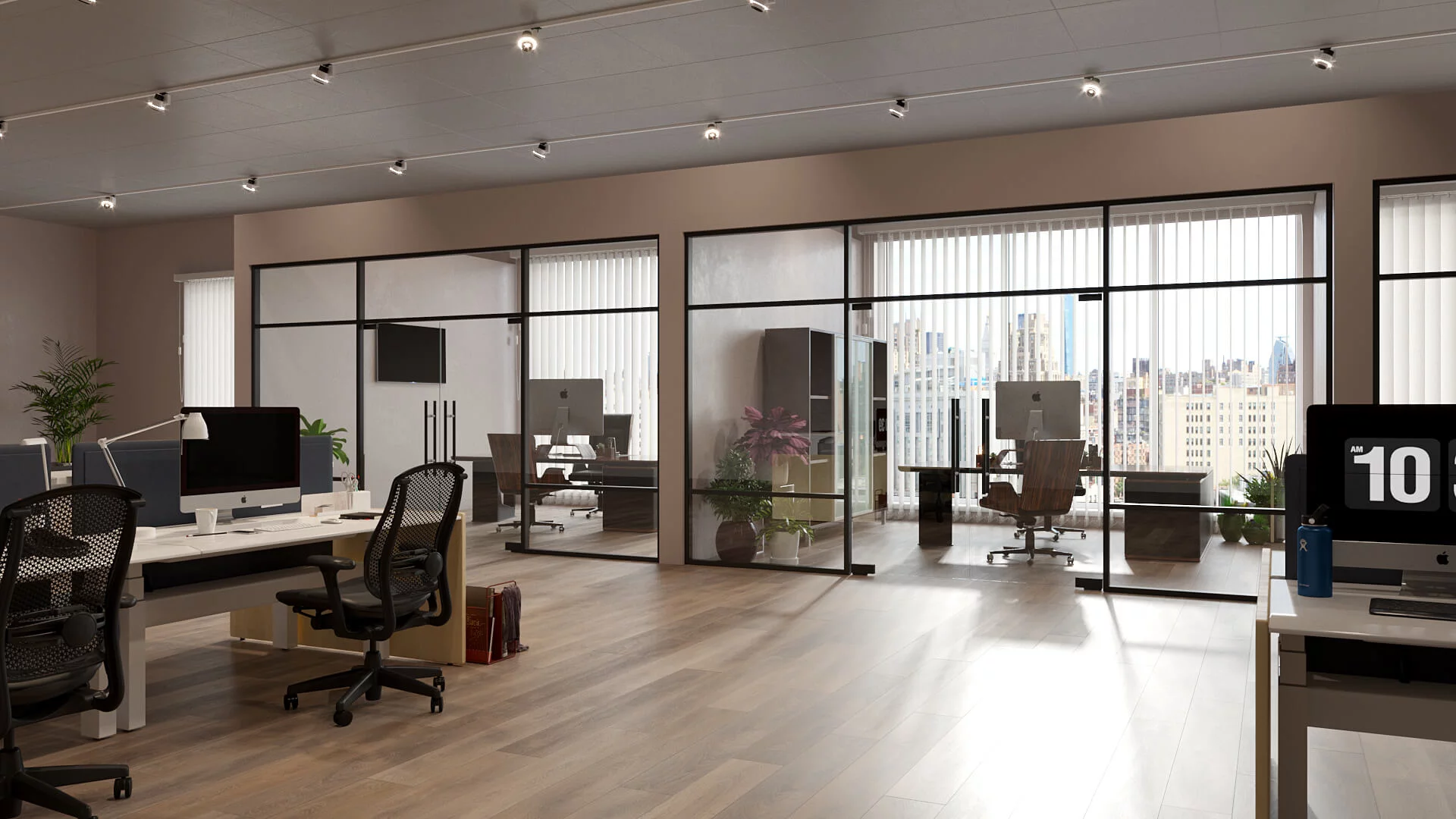
They sit in that sweet spot between openness and privacy, which is harder to achieve than many office planners like to admit. These systems help define space without making everything feel boxed in. They let light travel, keep sightlines clean, and add a sense of order without dragging the whole office back to the cubicle farm era. In other words, they solve a very modern problem with a very modern look.
At their best, sliding glass cubicle systems do not just divide space. They make the whole workplace feel smarter, calmer, and a lot more intentional.
From Open Plan to Smart Cubicles
For years, open-plan offices were sold as the answer to everything. Better collaboration, flatter hierarchy, more energy, more creativity. Lovely theory. In practice, they often delivered distraction, noise, and the distinct feeling that someone was always one phone call away from ruining your train of thought.
The answer was never to retreat fully into closed-off rooms and start pretending it is 1987 again. What emerged instead was a more balanced idea: create zones, preserve transparency, and make privacy available when it is actually needed. That is where smart cubicles changed the conversation.
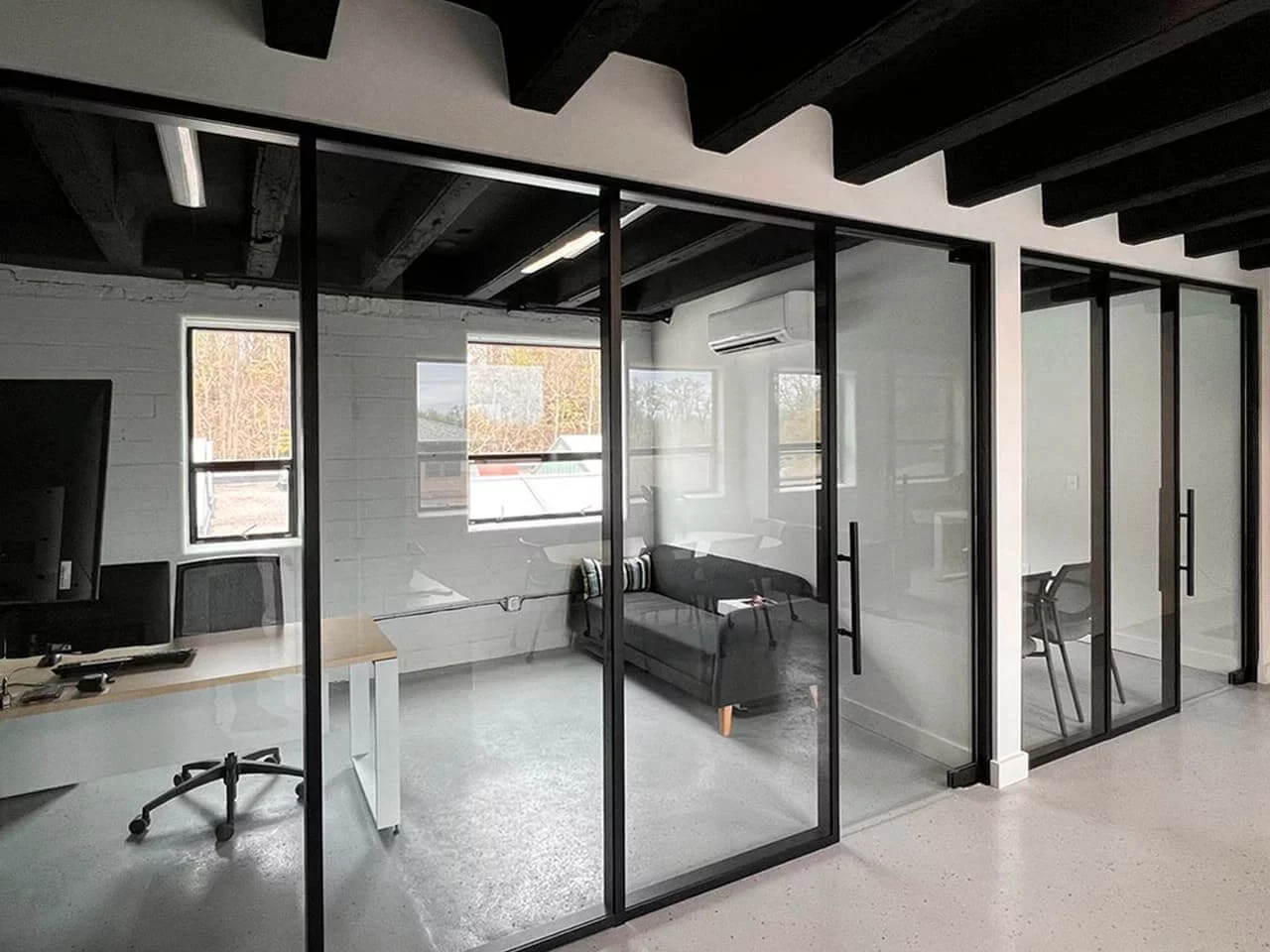
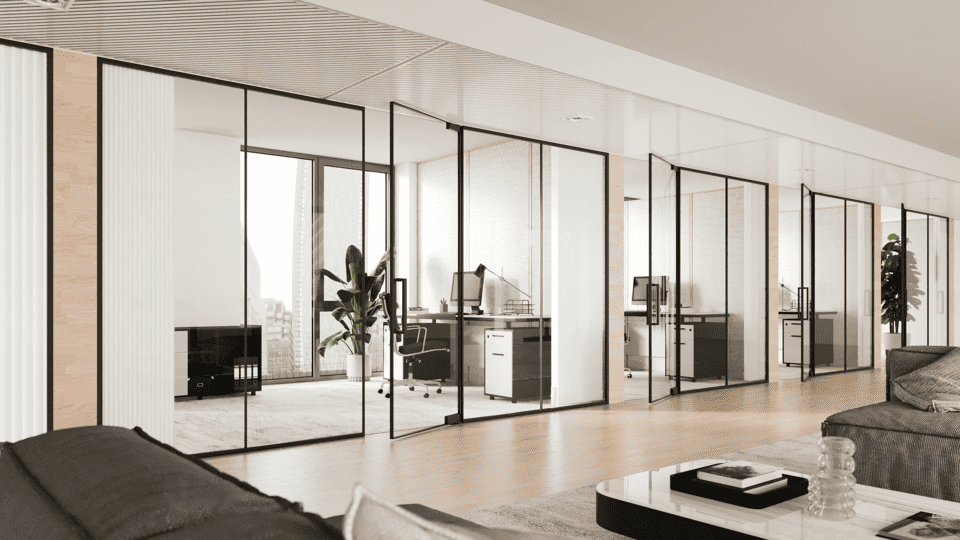
Today’s versions are nothing like the bulky, fabric-covered boxes people still associate with the word “cubicle.” Modern systems use glass, slim framing, and refined hardware to shape space without killing light or visual flow. Add a sliding door, and suddenly the setup becomes even more efficient. It is cleaner, more flexible, and much better suited to offices that need to adapt on the fly.
Why Sliding Doors Make the Difference
One of the biggest advantages is pure spatial efficiency. Traditional swing doors are greedy little things. They demand clearance, interrupt furniture layouts, and generally act like they own the place. Sliding doors are far more polite. They move neatly along the partition, freeing up valuable square footage and allowing designers to use the floorplan with much more precision.
That matters more than it sounds. In compact offices, co-working environments, and fast-growing companies, every foot counts. A sliding system can mean the difference between a layout that feels tight and one that feels sharp.
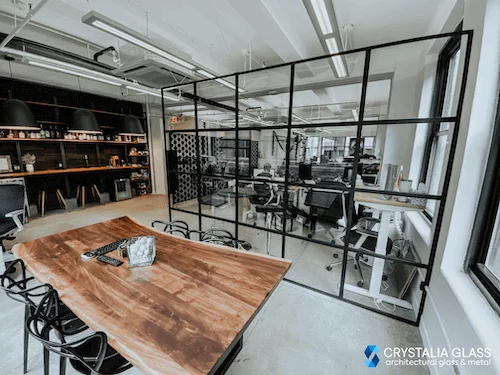
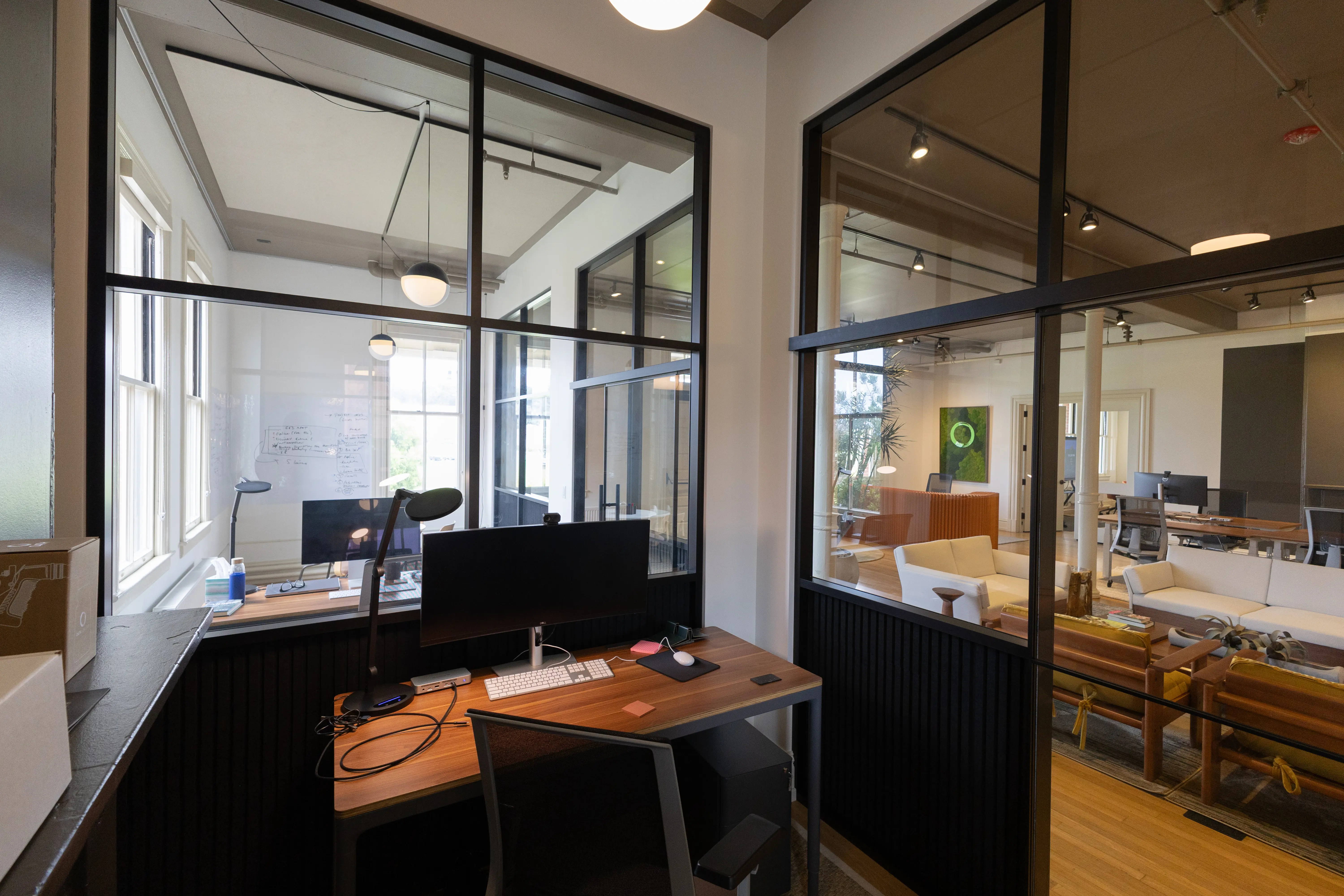
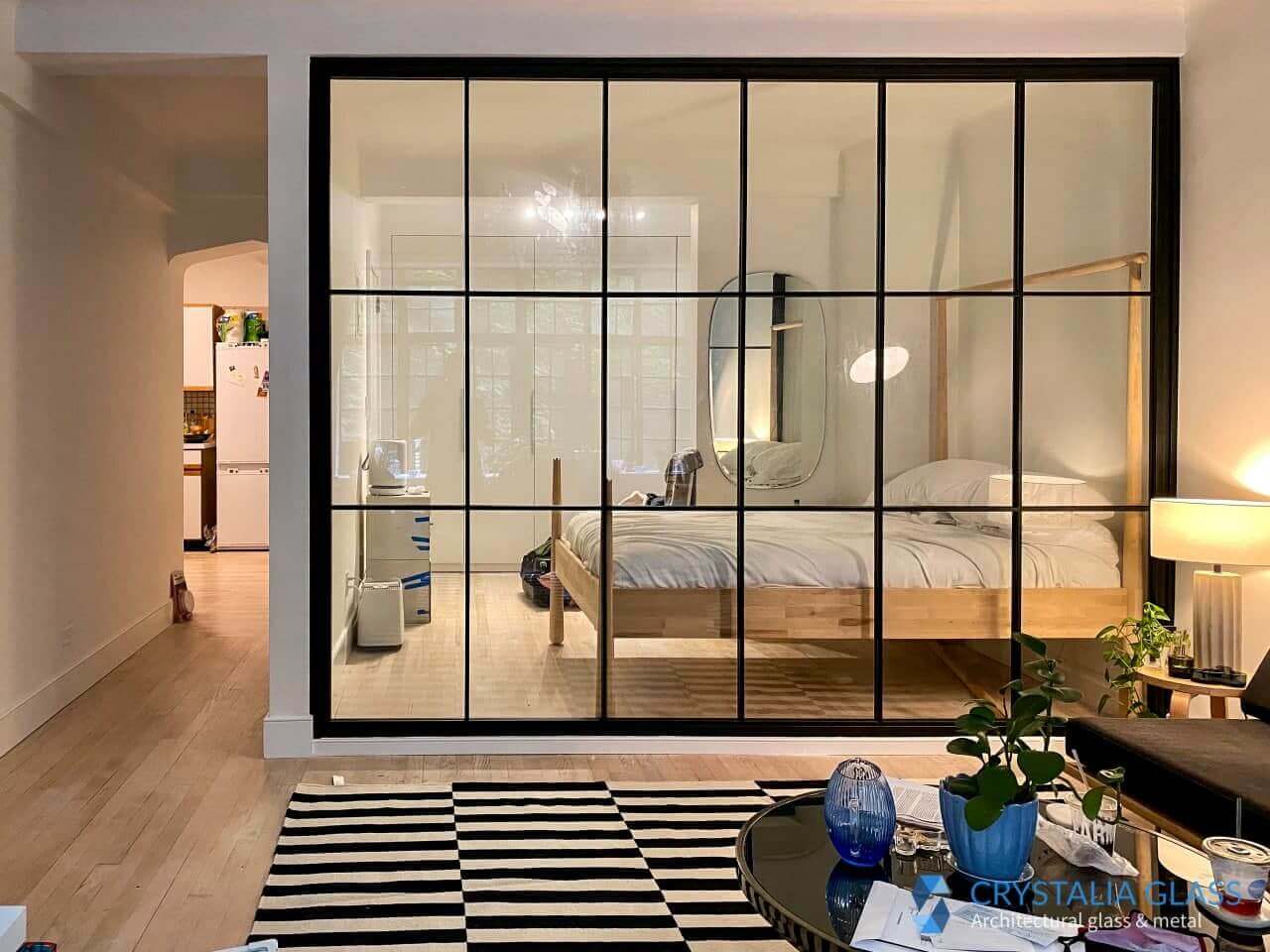
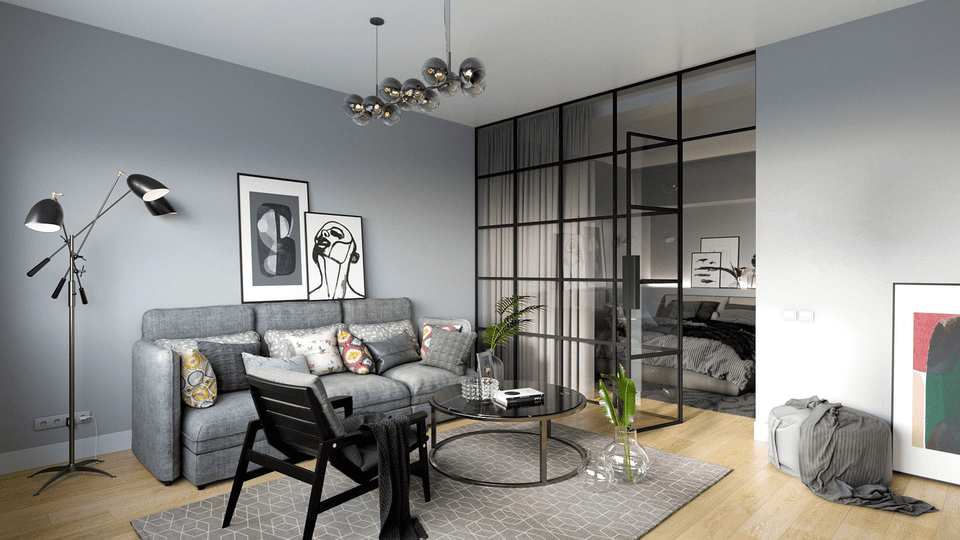
There is also the visual side of it. Sliding glass doors bring a crisp, contemporary look that feels architectural rather than improvised. Minimal frames and smooth hardware turn something functional into something quietly elegant. And privacy does not have to disappear with transparency. Frosted finishes, etched patterns, or subtle interlayers can soften visibility without making the office feel closed off.
Then there is flexibility, which has become the real currency of workplace design. Teams expand, structures shift, projects evolve. A modular sliding cubicle system can grow, shrink, or move around with far less disruption than traditional construction. That kind of adaptability is not just convenient. It is essential.
Acoustic and Privacy Benefits
Noise is still one of the biggest office killers. Not dramatic, perhaps, but deeply effective. A space can look gorgeous and still fail completely if everyone is distracted by nearby conversations, ringing phones, and the soundtrack of someone aggressively typing five feet away.
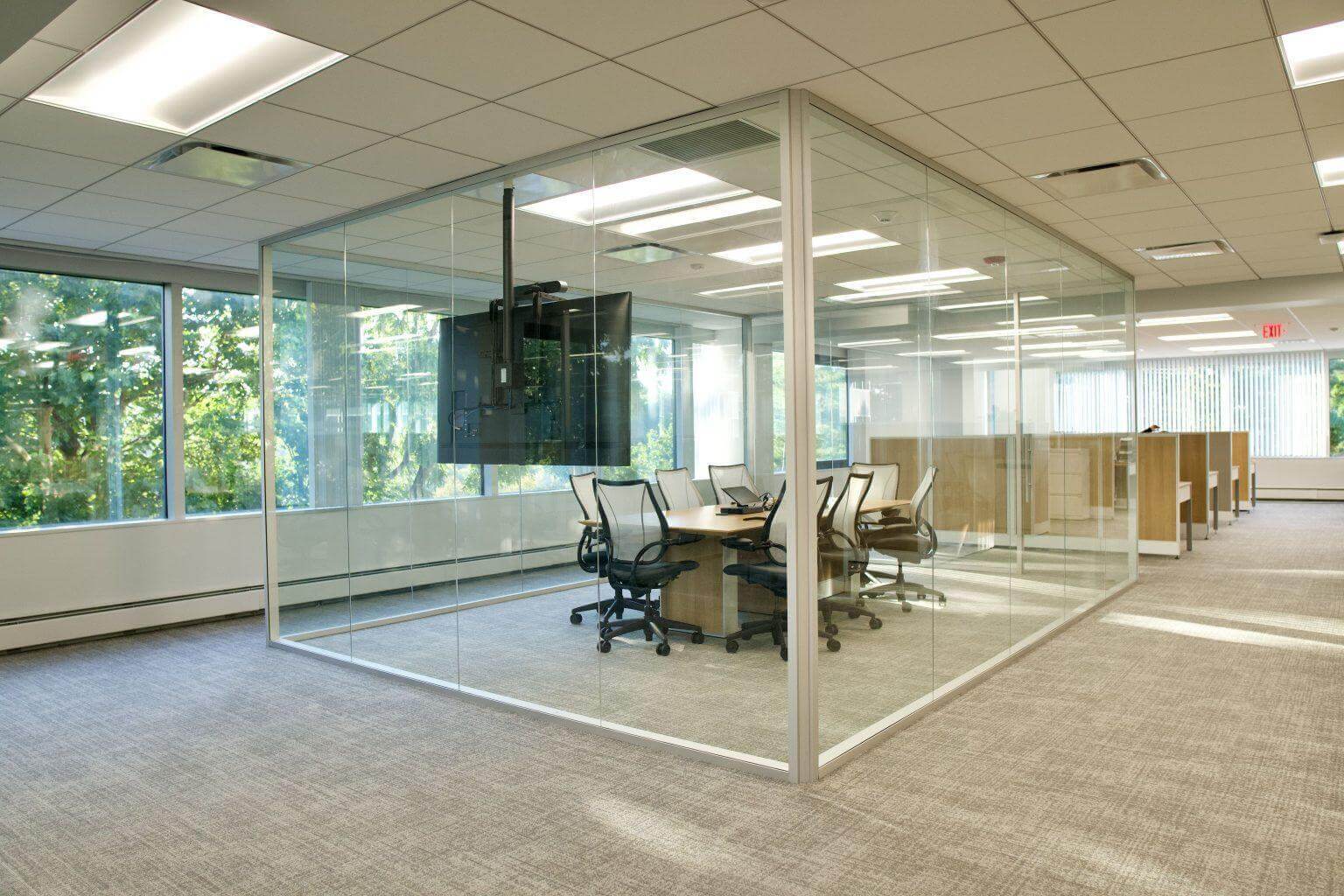
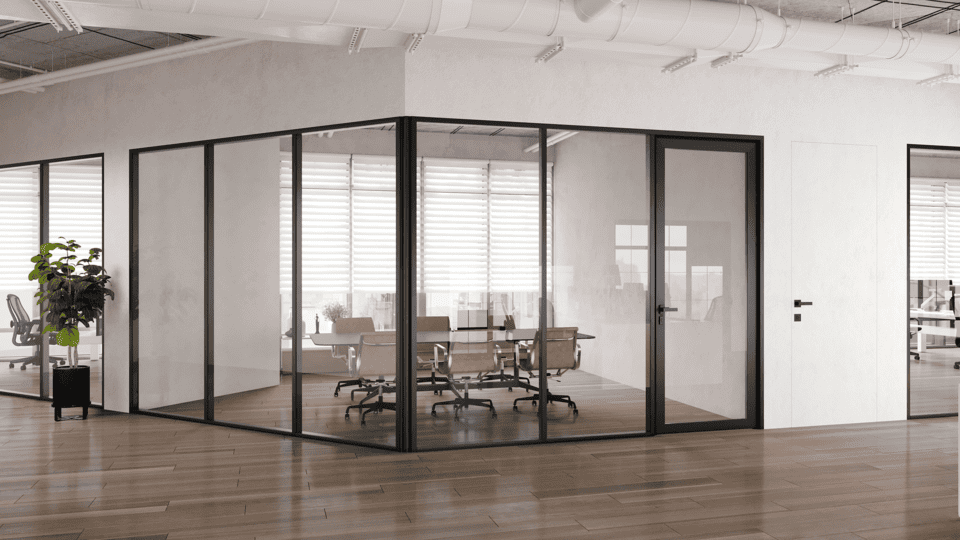
This is where glazed sliding systems pull more weight than people expect. With the right glass specification, seals, and framing, they can create meaningful acoustic separation while keeping the office visually open. That is the trick. You do not have to choose between light and peace and quiet. You can, with proper planning, have both.
Privacy works in a similar way. Clear glass keeps the office feeling legible and connected, while frosted or textured treatments reduce visual noise and create a more controlled sense of separation. It allows teams to focus, managers to supervise without looming, and meeting spaces to feel private without becoming caves.
A sliding door also sends a simple social signal that people understand immediately. Open means available. Closed means not now. Sometimes the smallest cues do the heaviest lifting.
Raising Productivity Through Choice
The best offices do not force everyone into the same mode of working all day. They give people options. That is what makes these systems so effective. A person can open a space for collaboration, close it for concentration, and shift between the two without any drama or disruption.
That kind of environmental control has a direct effect on productivity. Not in the hollow, corporate buzzword sense of the word, but in the real sense. Fewer interruptions. Better focus. Smoother teamwork. More autonomy. When people can adjust their surroundings quickly and intuitively, the office starts working with them instead of against them.
And across a whole floor, those small choices add up. The workplace feels more organized, more readable, and far less chaotic.
Materials, Finishes, and Customization
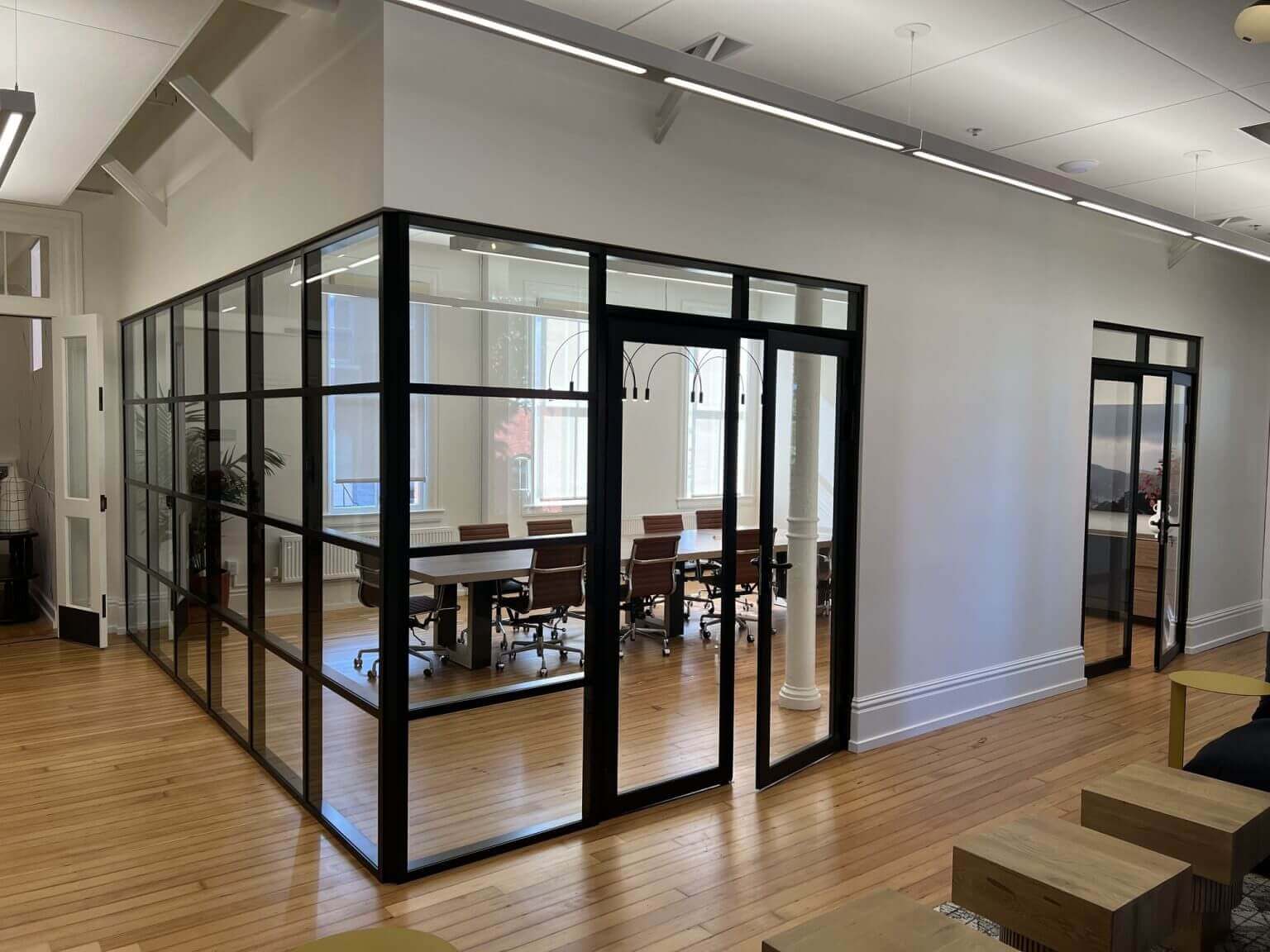
This is also where design gets to have a bit of fun. Glass cubicle systems can be tailored to match the tone of the brand and the architecture of the office itself. Clear, low-iron, tinted, or frosted glass all create slightly different moods. Matte black frames feel bold and graphic. Brushed steel reads a little more polished. Satin anodized aluminum lands somewhere cool and understated.
Hardware matters too. Pulls, handles, tracks, and finishes all contribute to whether the system feels premium or forgettable. And when privacy or acoustics are especially important, upgraded laminates and perimeter detailing can improve performance without changing the overall visual language.
The goal is not just to install a partition. It is to make the whole thing feel like it belongs there.
Mobility and Modularity
One of the most useful things about these systems is that they are not as fixed as traditional walls. Offices change constantly. Leases end, departments merge, teams grow, and priorities shift. A modular sliding-door setup makes that easier to manage.
Instead of demolishing and rebuilding, businesses can reconfigure. Panels can be relocated, zones adjusted, and layouts refined with far less mess and downtime. For phased renovations, that is a major advantage. One area can be updated while the rest of the office keeps moving.
It is practical, yes, but also smarter from a long-term investment point of view. Good office design should not become obsolete the moment the org chart changes.
Aesthetics as a Branding Tool
An office says something about a company long before anyone starts talking. It signals culture, standards, and attention to detail. That is why aesthetics are not just decoration here. They are part of the message.
Glass cubicles with sliding doors communicate openness, precision, and modernity. They make spaces feel lighter, more composed, and more deliberate. When paired with good lighting, clean materials, and thoughtful furniture planning, they can tie the entire office together like a coherent visual identity rather than a collection of random fit-out decisions.
Done well, they do more than separate rooms. They help define the character of the workplace.
Real-World Applications
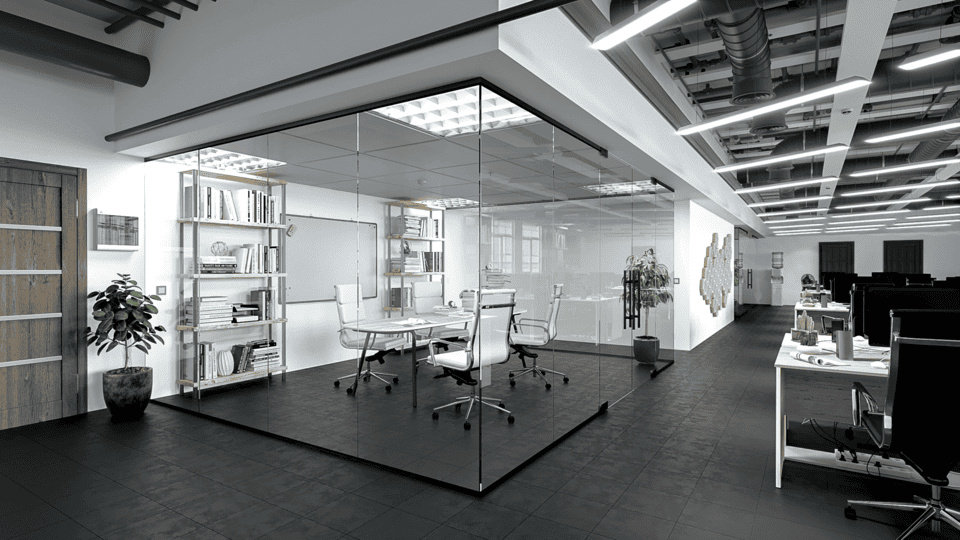
Different industries use these systems in different ways, but the appeal is surprisingly universal. Creative teams can use them for project rooms that switch easily between brainstorm mode and client presentation mode. Legal and finance firms can introduce privacy without making the office feel stiff or sealed off. Tech companies, which tend to reorganize faster than most people reorganize a closet, benefit from the ability to reconfigure space without losing momentum.
That is the beauty of the concept. It is not locked into one office type or one visual style. It is flexible enough to adapt, which is exactly the point.
Best Practices for Implementation
Of course, none of this works properly if the planning is lazy. A good implementation starts with foresight. Rooms should be sized with future flexibility in mind. Acoustic performance should match the actual needs of each zone, not just the budget spreadsheet. Finishes should be coordinated early, so the final result looks cohesive instead of patched together after a series of compromises.
Lighting deserves special attention too. Glass can carry daylight beautifully through a space, but poor fixture placement can also create glare, reflections, or awkward shadow lines. The details matter. They always do.
When these systems are planned thoughtfully, they feel effortless. And that is usually the sign that the design is doing its job.
The rise of office cubicles sliding door systems says a lot about where workplace design is headed. Offices are becoming more flexible, more humane, and a bit more honest about how people actually work. They need to support focus and collaboration, privacy and transparency, structure and change.
That is a tall order. But sliding glass cubicle systems handle it remarkably well. They bring clarity to the layout, preserve daylight, improve usability, and make the office feel more composed from every angle. Far from being just another architectural feature, they are becoming one of the key tools in building workplaces that are ready for whatever comes next.