'/%3e%3c/mask%3e%3cg%20mask='url(%23mask0_3045_12)'%3e%3crect%20width='22'%20height='22'%20fill='%23404D63'/%3e%3c/g%3e%3cdefs%3e%3cpattern%20id='pattern0_3045_12'%20patternContentUnits='objectBoundingBox'%20width='1'%20height='1'%3e%3cuse%20xlink:href='%23image0_3045_12'%20transform='scale(0.01)'/%3e%3c/pattern%3e%3cimage%20id='image0_3045_12'%20width='100'%20height='100'%20xlink:href='data:image/png;base64,iVBORw0KGgoAAAANSUhEUgAAAGQAAABkCAYAAABw4pVUAAAAAXNSR0IArs4c6QAAAARnQU1BAACxjwv8YQUAAAAJcEhZcwAADsMAAA7DAcdvqGQAAATmSURBVHhe7Z1p6GVjHMf/DGXGlmXIFlnSWAahZCkyXpB4IUZeKBlblkRSIu9QijfyQqFkKaXsKZkhspQU2RIvRJbInn37fMfc+nl6zj33uf9zz/k9d36f+tT8597z3Oe53865Z3t+Z2FGHILr8Bf8J/FzvBWXokc2wcvwQ/wLbd9/xzfxNKyGo/E3tAPJ+TIuQW/cibn+pl6MVfAu5gaQ81L0xFH4N+b6mvoTLkfX7I65zjf5KHriesz1s8nT0TUHo+3wW2g5Fu3rL6Inbkbbv0vQkm7OzkHXRCDOiEBmzGa4XYHHoO1wWyCvYK6dobwdbf/aArkAc+00uRVOxZH4AuaOI0psC8S7bYFM48d4Nk7MKvwTc42VGoE0ez5OxGuYa2AaI5Bmv8PWsxU6crZrhw6Svinwe7Qf2hbIH5hrZyjTTXRbIDo4zLXTpE692OWPwLFsi3YBpVhC7GWN50m0y+v7GEsE8v/+RSADM/eBvI97G89C+7r3QG5A2//70b7uPhCd/bTLt/kweuJazPWzyZOxhN4DEc+jbWOcWmM8sT9Oci1H6kLblljCIIHsh1+ibSenVn+PXIVt10S0e3wKljJIIGInvAPfwI+MH+BaPA91qdQrJ+Dj+B7a/r+ND+ABOA2DBRLkiUCcEYE4IwJxRgTijEUH8iMeHnamzkzY77c4kHC2RiDOjECcWRyIrug9G3bmV2i/3+JAYi+rW2K31xkRiDMiEGdEIM6IQJwRgTgjAnFGBOKMCMQZEcgE9Dk1OwKZgBvxMdxt/V+zJQJp4UAc3RinsV6Is7w9KQIZgzZVqiZhx6vpZlPPA5yACGQMV6Adqyy9V7eUCKSBvVD3C9ix9nFrawTSwDNox6kLRzvirIlAMpyLdoyyrwIAEUiCbgL/Gu0Yn8K+iEASHkI7vh9wD+yLCMRwKtqxyb7rdUUgG9gGP0E7tpdwU+yTCGQD6ezZX3EF9k0EAsdhOkVNleOGYKMPZAvU1Gw7Js2d3xyHYKMP5Ca041EdF5WeGorqAunyaPlQTIu93IZDUlUgqgLxLV65/q/FoTO5r6Mdi2bRls4r75pqAtkH7W7pLbiY6xLXoB2HftRPwqGpIhAdC6h8t/1ceR9O8+OrcH9G29Y96IFq1hAVz1SBL/vZ8mks2cxorXoObRsqgbE9eqCq35CDMD2alq/iDjgJazBd/kz0QlWBCJ3oewdtH6RKXOyJ49gV07XMWynz6gIR2ryk17rlp6i1qIlH0L5ffVdInqgyELEMn0DbF6k1IDeIMzB9r+4g8Ua1gQhV1b4XbX+k9qDsUwlUMfoztO/Rw2Q8VhuqOhChLzUtuyd1CmS0BtyN9jXVslLNLo9UH8iIyzF9/JDUnSLpmVyV6fPK3AQiVmNb+T0VTNOmzitzFYg4EXUd3PZxpObUH4aembtAhIq4fIG2n1Lnv7wzl4GIfVGPtRv1U7UcdTHKO3MbiNgZdYpdP+rH6z8qYK4DEVvjRf/9swrmPpDaiECcEYE4IwJxRgTijAjEGRGIMyIQZ0QgzohAnBGBOCMCcUYE4owIxBkRiDMiEGdEIM4oDkS3cNoF4ukI3Zo+HUHTMFrJTQkIu1c3/u2CrVyNuQbCbn0QJ0L3016HmoCZayhcnLr78i4snoC6FFfiqrAzNUdeO05BEARB0DELC/8C1D9SupOCPVIAAAAASUVORK5CYII='/%3e%3c/defs%3e%3c/svg%3e)
Why Choosing the Right Steel Glass Partition Company Matters
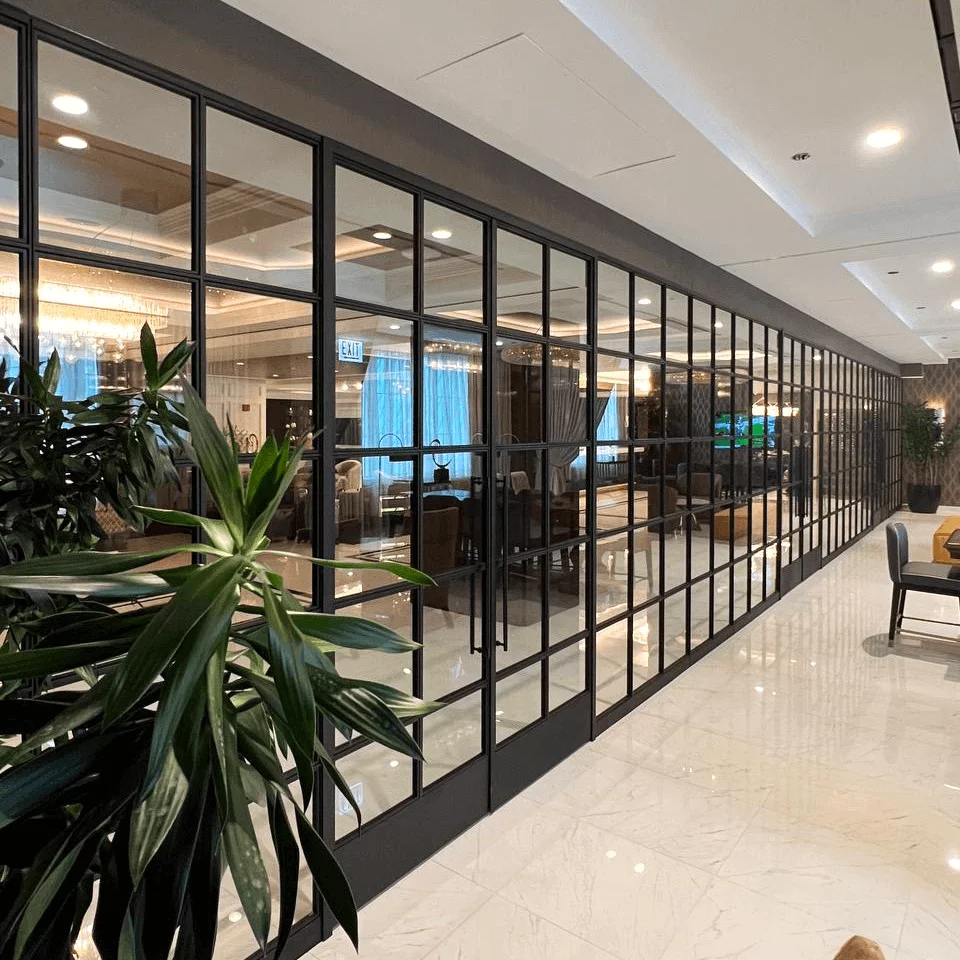
Steel-framed glass partitions have surged in popularity across modern homes, offices, restaurants, and retail spaces. Their slim black profiles, industrial elegance, and ability to divide space without blocking light make them a favorite among architects and designers. But the finished result is only as good as the company behind it.
The right partner ensures precise fabrication, structural integrity, safe glazing, and clean installation. The wrong one can leave you with misaligned frames, drafty seams, scratched glass, or worse—a vendor who disappears after the invoice is paid. This guide walks you through exactly how to evaluate a custom steel glass partition company so you can invest with confidence.
Residential vs. Commercial Requirements
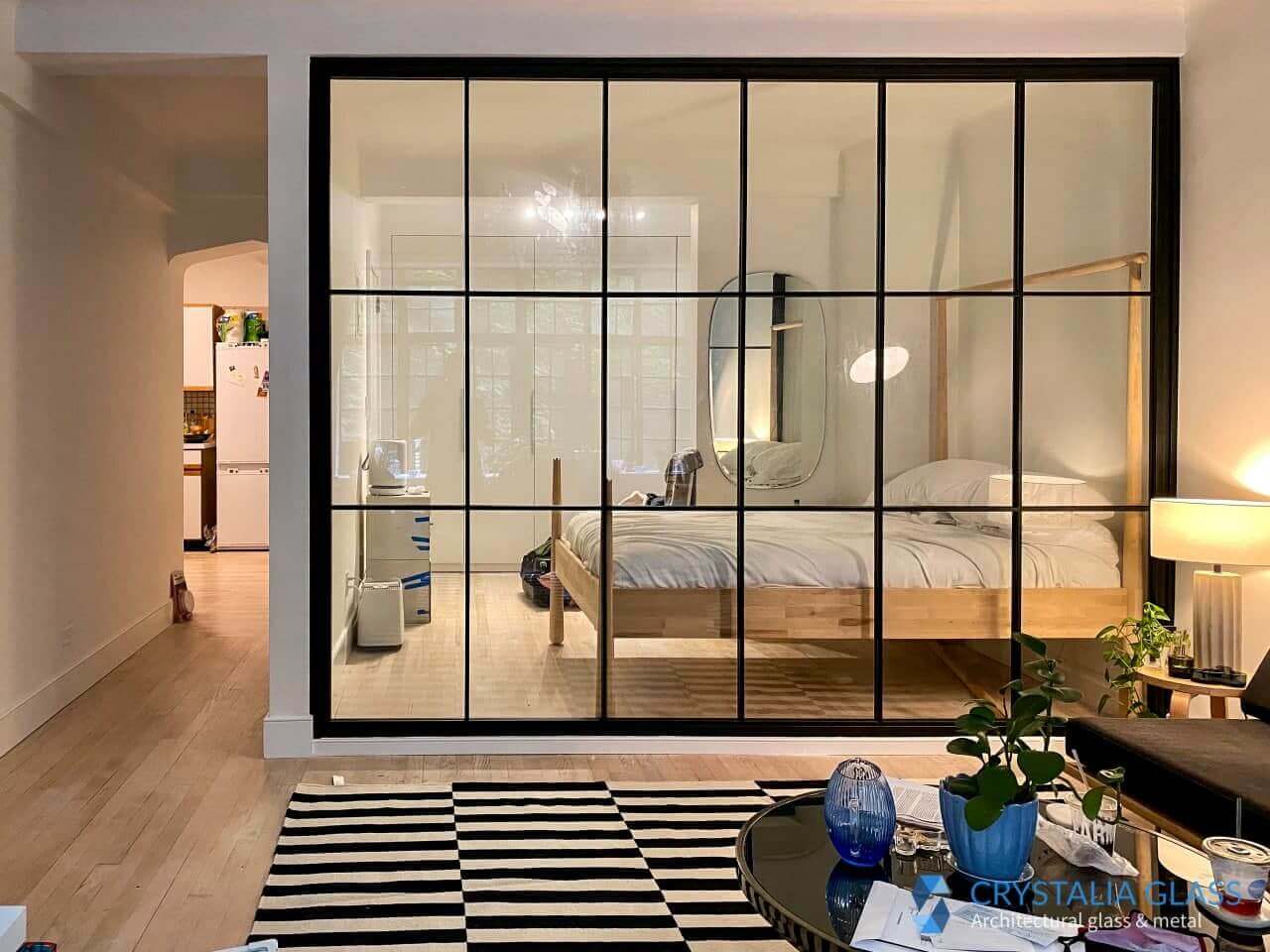
Residential projects—home offices, kitchen dividers, shower enclosures—usually prioritize aesthetics, light flow, and acoustic privacy. Standard tempered safety glass and decorative steel frames are typically sufficient.
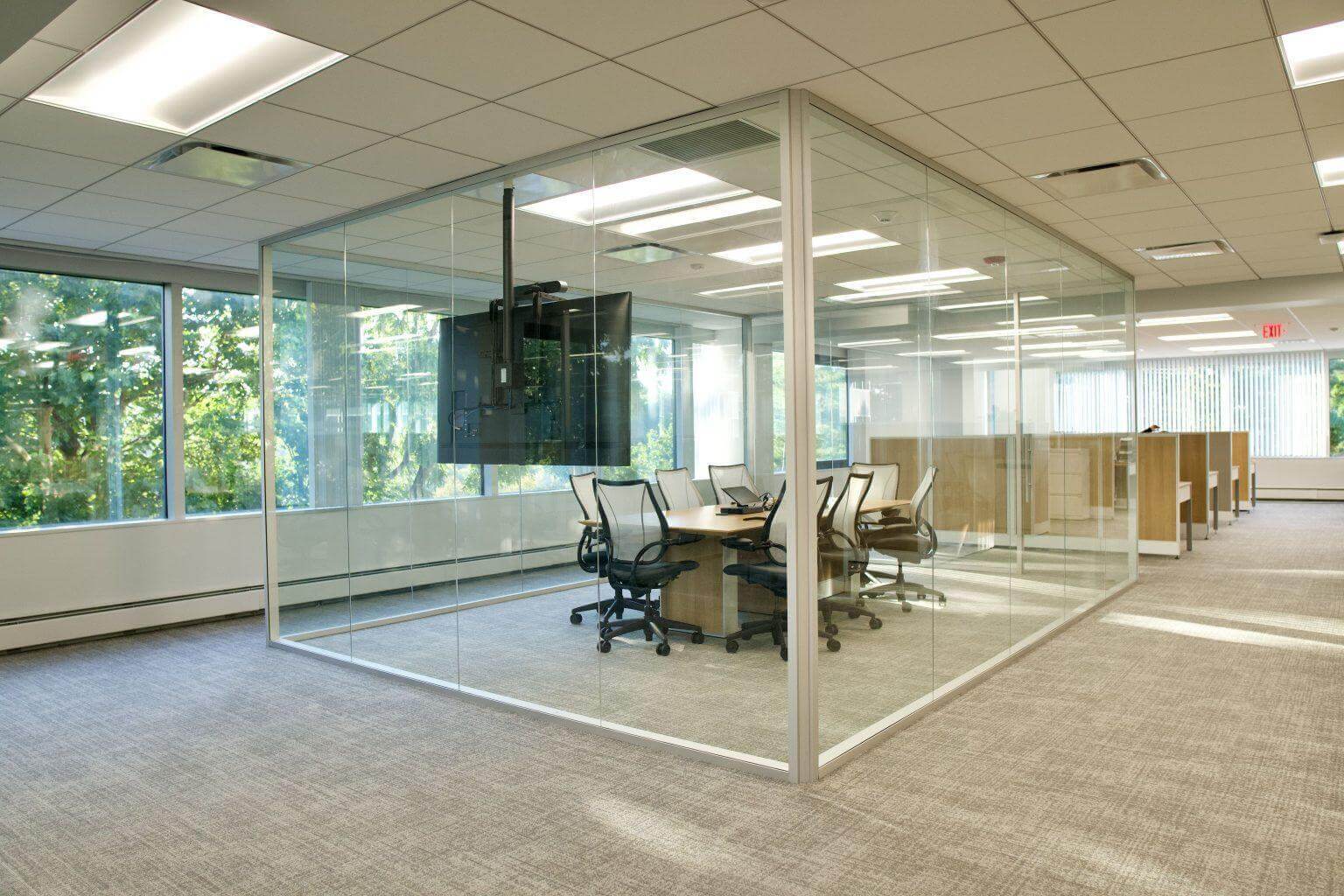
Commercial projects come with more rules. Office partitions, conference rooms, and retail builds often need to meet local building codes for fire-rated glass, ADA-compliant door hardware, acoustic STC ratings, and seismic anchoring. Healthcare and hospitality builds may require additional certifications. Confirm whether your vendor has experience navigating permits and code-compliant assemblies in your jurisdiction—this is where many residential-focused fabricators fall short.
Defining Your Design Style and Budget
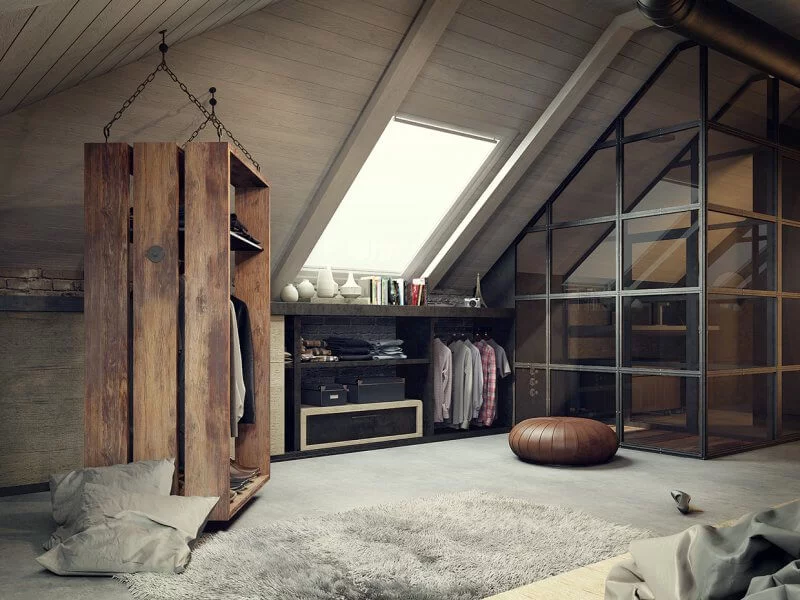
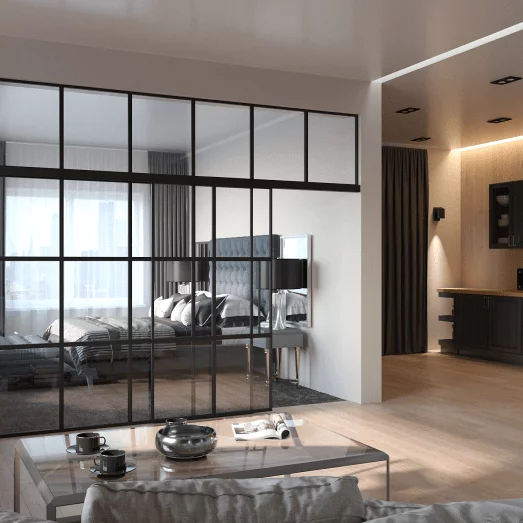
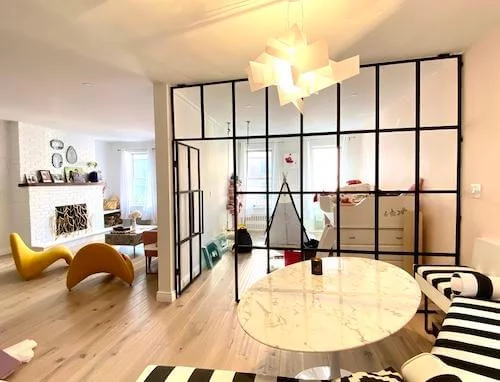
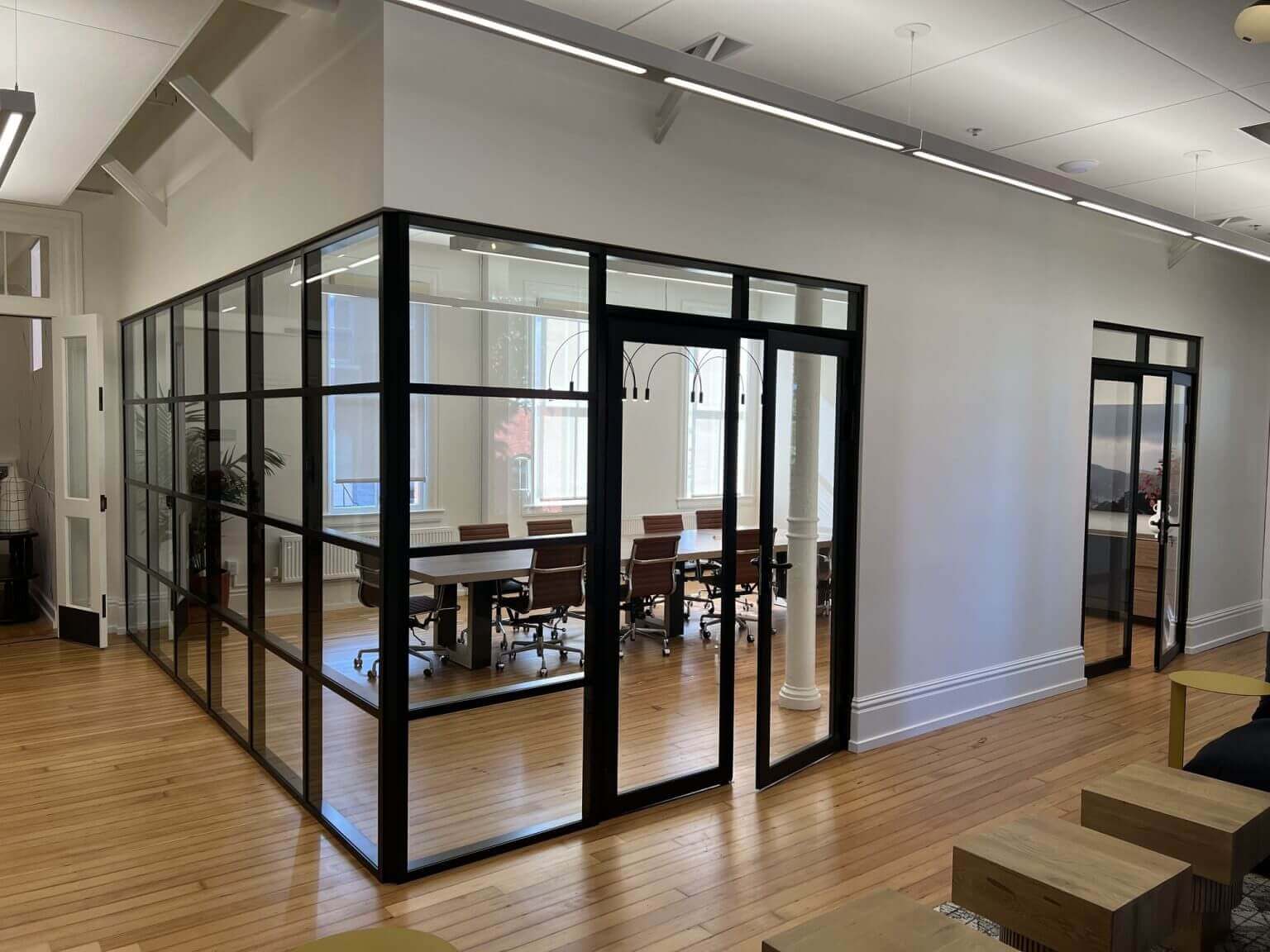
Decide on your visual direction early. Do you want classic black steel grid partitions in a Crittall style, minimalist single-pane doors, or industrial-warehouse aesthetics? Clarify finish (matte black, bronze, raw steel), glass type (clear, reeded, frosted, smoked), and configuration (fixed, pivot, sliding, French).
Set a realistic budget range, including installation, hardware, and possible finishing work like flooring or drywall repair. A defined budget helps companies recommend solutions that fit—rather than upselling features you don't need.
Key Factors to Evaluate in a Custom Steel Glass Partition Company
1Experience and Portfolio
Look for a track record of completed projects similar to yours in scale and style. Ask to see high-resolution photos, ideally with installation context, not just renderings. A seasoned custom steel glass partition company will have a diverse portfolio covering residential, commercial, and possibly hospitality builds—and should be able to share project case studies.
2Material Quality and Glass Options
Quality begins with raw materials. Frames should be fabricated from solid hot- or cold-rolled steel, not lightweight aluminum painted to mimic steel. Ask about wall thickness, weld quality, and finishing (powder coat vs. paint). For glazing, tempered or laminated safety glass should be standard—both meet ANSI Z97.1 and CPSC 16 CFR 1201 safety glazing standards. For commercial applications, ask about fire-rated glass options (such as 20-, 45-, or 60-minute rated assemblies) when required by code.
3Customization and Design Flexibility
True customization means more than picking from a catalog. A capable steel glass partition manufacturer should accommodate non-standard sizes, custom grid layouts, specialty hardware, custom finishes, and unique configurations like curved walls or oversized pivot doors. Ask whether their engineering team can review your architectural drawings and suggest design refinements.
4Manufacturing vs. Reselling
This is one of the most important distinctions in the industry. Many "custom" providers are actually resellers or middlemen who source frames from overseas factories, mark them up, and coordinate installation. True manufacturers fabricate in-house, control quality at every stage, and can adjust specs without lengthy international back-and-forth.
Why this matters: manufacturers typically offer better pricing (no middleman markup), faster turnarounds on revisions, accountability when issues arise, and the ability to honor warranties directly. Resellers may offer convenience but often lack technical depth and can struggle when something needs to be reworked.
Ask directly: "Do you fabricate in-house, or do you source frames from a third party?" The answer tells you a lot.
Questions to Ask Before Hiring
Use these copy-ready questions during vendor calls or RFPs:
- Do you manufacture the steel frames in-house, or do you resell from another fabricator?
- What is your typical lead time from order confirmation to installation?
- What type of glass do you use as standard, and what upgrade options are available?
- Is your glass certified to ANSI Z97.1 or CPSC 16 CFR 1201 safety standards?
- Can you provide fire-rated assemblies if required by code?
- What warranty do you offer on frames, glass, hardware, and installation labor?
- Who performs the installation — your in-house team or a subcontractor?
- Can you provide three recent client references?
- What happens if something is damaged in transit or during installation?
- Is your quote all-inclusive, or are there potential add-ons (shimming, painting, site prep)?
- Do you handle on-site measuring, or am I responsible for providing dimensions?
- What is your payment schedule, and what triggers each milestone?
The quality and specificity of the answers will reveal a lot about the company's professionalism.
Understanding Pricing and Quotes
Custom steel glass partitions typically range from roughly $150 to $400+ per square foot installed, depending on complexity, finish, hardware, glass type, and region. Operable doors, custom curves, and fire-rated glass push costs higher.
When comparing quotes, ensure each one specifies:
- Frame material, gauge, and finish
- Glass type, thickness, and safety/fire certification
- Hardware brand and finish
- Installation labor, site prep, and cleanup
- Delivery and shipping costs
- Tax, permits, and engineering stamps if needed
A quote that's 30–50% lower than competitors is a red flag. It usually means thinner steel, non-safety glass, uncertified hardware, or hidden change orders later. Compare on an apples-to-apples basis—or ask each vendor to bid against an identical spec sheet.
Checking Reviews, References, and Certifications
Reputation matters. Beyond the company website, check Google Reviews, Houzz, Yelp, and the Better Business Bureau. Look for patterns in feedback—not just star ratings. Pay attention to how companies respond to negative reviews; thoughtful, solution-oriented responses signal accountability.
Ask for two or three references from projects completed in the last 12 months and actually call them. Useful questions: Was the project delivered on time? Were there hidden costs? How did the company handle problems? Would you hire them again?
For certifications, look for general contractor licensing (where required), liability insurance, workers' compensation coverage, and product certifications like SGCC for safety glazing. For commercial work, AWS welding certifications and ICC compliance documentation add credibility.
Red Flags to Watch Out For
Be cautious if you encounter any of the following:
- No verifiable portfolio of completed installations (only renderings or stock images)
- Vague contracts without itemized specs, materials, or timelines
- No written warranty or warranty terms shorter than one year
- Cash-only or full upfront payment demands
- Inability to confirm glass safety certifications
- No physical address or showroom and limited online presence
- Reluctance to provide references or share previous client contacts
- Subcontracted installation with no quality oversight from the seller
- Quotes dramatically below market rate without clear justification
Any one of these is a yellow flag; multiple together is a reason to walk away.