'/%3e%3c/mask%3e%3cg%20mask='url(%23mask0_3045_12)'%3e%3crect%20width='22'%20height='22'%20fill='%23404D63'/%3e%3c/g%3e%3cdefs%3e%3cpattern%20id='pattern0_3045_12'%20patternContentUnits='objectBoundingBox'%20width='1'%20height='1'%3e%3cuse%20xlink:href='%23image0_3045_12'%20transform='scale(0.01)'/%3e%3c/pattern%3e%3cimage%20id='image0_3045_12'%20width='100'%20height='100'%20xlink:href='data:image/png;base64,iVBORw0KGgoAAAANSUhEUgAAAGQAAABkCAYAAABw4pVUAAAAAXNSR0IArs4c6QAAAARnQU1BAACxjwv8YQUAAAAJcEhZcwAADsMAAA7DAcdvqGQAAATmSURBVHhe7Z1p6GVjHMf/DGXGlmXIFlnSWAahZCkyXpB4IUZeKBlblkRSIu9QijfyQqFkKaXsKZkhspQU2RIvRJbInn37fMfc+nl6zj33uf9zz/k9d36f+tT8597z3Oe53865Z3t+Z2FGHILr8Bf8J/FzvBWXokc2wcvwQ/wLbd9/xzfxNKyGo/E3tAPJ+TIuQW/cibn+pl6MVfAu5gaQ81L0xFH4N+b6mvoTLkfX7I65zjf5KHriesz1s8nT0TUHo+3wW2g5Fu3rL6Inbkbbv0vQkm7OzkHXRCDOiEBmzGa4XYHHoO1wWyCvYK6dobwdbf/aArkAc+00uRVOxZH4AuaOI0psC8S7bYFM48d4Nk7MKvwTc42VGoE0ez5OxGuYa2AaI5Bmv8PWsxU6crZrhw6Svinwe7Qf2hbIH5hrZyjTTXRbIDo4zLXTpE692OWPwLFsi3YBpVhC7GWN50m0y+v7GEsE8v/+RSADM/eBvI97G89C+7r3QG5A2//70b7uPhCd/bTLt/kweuJazPWzyZOxhN4DEc+jbWOcWmM8sT9Oci1H6kLblljCIIHsh1+ibSenVn+PXIVt10S0e3wKljJIIGInvAPfwI+MH+BaPA91qdQrJ+Dj+B7a/r+ND+ABOA2DBRLkiUCcEYE4IwJxRgTijEUH8iMeHnamzkzY77c4kHC2RiDOjECcWRyIrug9G3bmV2i/3+JAYi+rW2K31xkRiDMiEGdEIM6IQJwRgTgjAnFGBOKMCMQZEcgE9Dk1OwKZgBvxMdxt/V+zJQJp4UAc3RinsV6Is7w9KQIZgzZVqiZhx6vpZlPPA5yACGQMV6Adqyy9V7eUCKSBvVD3C9ix9nFrawTSwDNox6kLRzvirIlAMpyLdoyyrwIAEUiCbgL/Gu0Yn8K+iEASHkI7vh9wD+yLCMRwKtqxyb7rdUUgG9gGP0E7tpdwU+yTCGQD6ezZX3EF9k0EAsdhOkVNleOGYKMPZAvU1Gw7Js2d3xyHYKMP5Ca041EdF5WeGorqAunyaPlQTIu93IZDUlUgqgLxLV65/q/FoTO5r6Mdi2bRls4r75pqAtkH7W7pLbiY6xLXoB2HftRPwqGpIhAdC6h8t/1ceR9O8+OrcH9G29Y96IFq1hAVz1SBL/vZ8mks2cxorXoObRsqgbE9eqCq35CDMD2alq/iDjgJazBd/kz0QlWBCJ3oewdtH6RKXOyJ49gV07XMWynz6gIR2ryk17rlp6i1qIlH0L5ffVdInqgyELEMn0DbF6k1IDeIMzB9r+4g8Ua1gQhV1b4XbX+k9qDsUwlUMfoztO/Rw2Q8VhuqOhChLzUtuyd1CmS0BtyN9jXVslLNLo9UH8iIyzF9/JDUnSLpmVyV6fPK3AQiVmNb+T0VTNOmzitzFYg4EXUd3PZxpObUH4aembtAhIq4fIG2n1Lnv7wzl4GIfVGPtRv1U7UcdTHKO3MbiNgZdYpdP+rH6z8qYK4DEVvjRf/9swrmPpDaiECcEYE4IwJxRgTijAjEGRGIMyIQZ0QgzohAnBGBOCMCcUYE4owIxBkRiDMiEGdEIM4oDkS3cNoF4ukI3Zo+HUHTMFrJTQkIu1c3/u2CrVyNuQbCbn0QJ0L3016HmoCZayhcnLr78i4snoC6FFfiqrAzNUdeO05BEARB0DELC/8C1D9SupOCPVIAAAAASUVORK5CYII='/%3e%3c/defs%3e%3c/svg%3e)
FULL-HEIGHT GLASS PARTITION WALLS FOR OFFICES: 8 BENEFITS THAT ACTUALLY HOLD UP
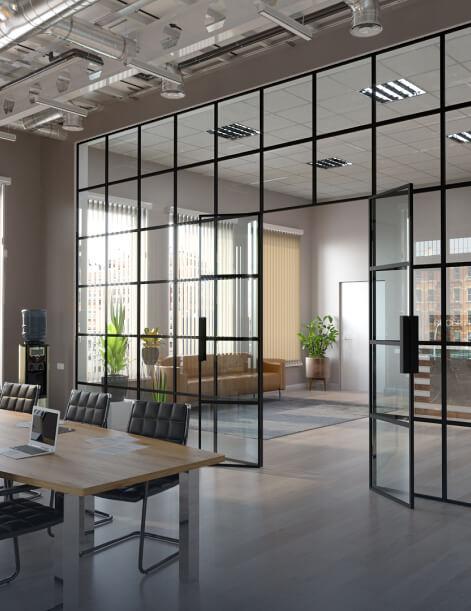
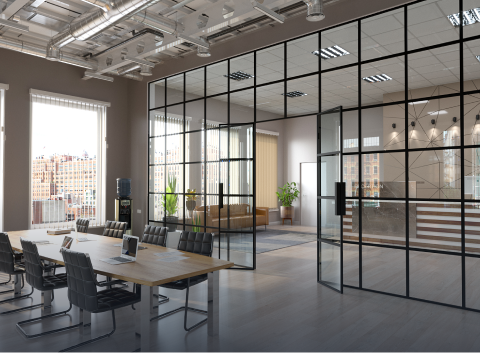
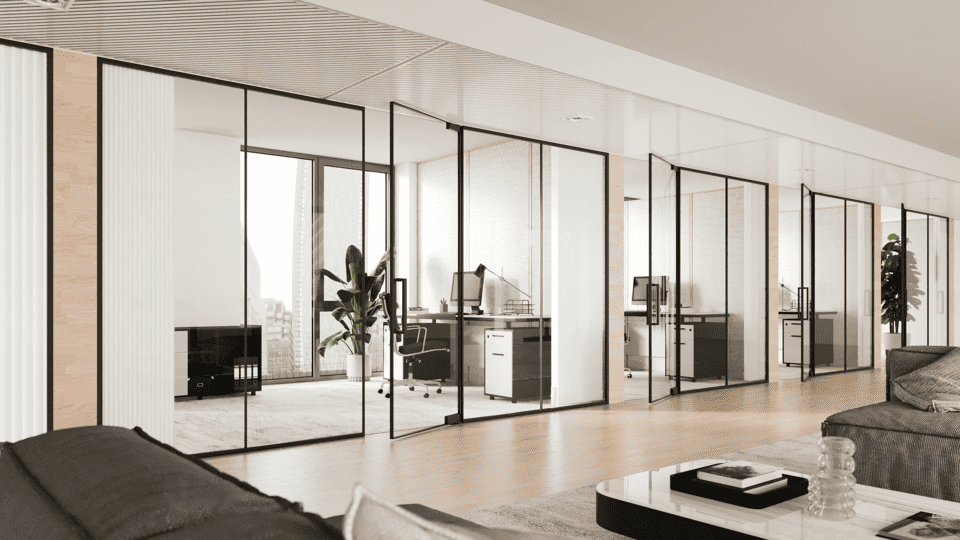
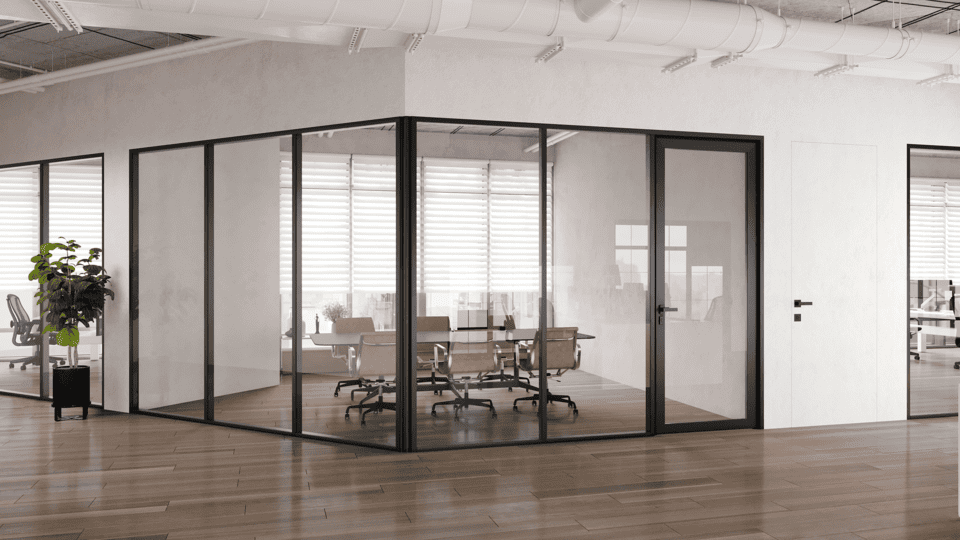
Full-height glass partition walls run floor to ceiling and separate space without closing it off. In offices they've largely replaced stud-and-drywall interior walls, and for good reason: they bring in daylight, define rooms cleanly, and come apart and move when the floor plan changes. But not every glass partition performs the same. The difference between a wall that quiets a meeting room and one that leaks every phone call comes down to glass make-up, framing, and how carefully it's sealed.
Below are eight benefits that hold up in real installations, with the specifications that actually drive each one, so you can tell a serious system from a brochure promise.
1THEY BRING DAYLIGHT DEEP INTO THE FLOOR PLATE
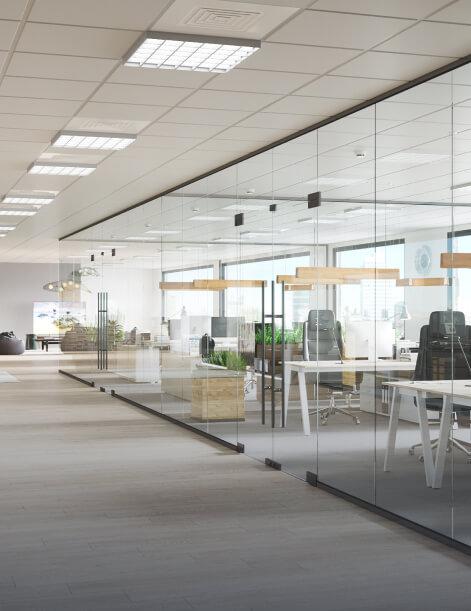
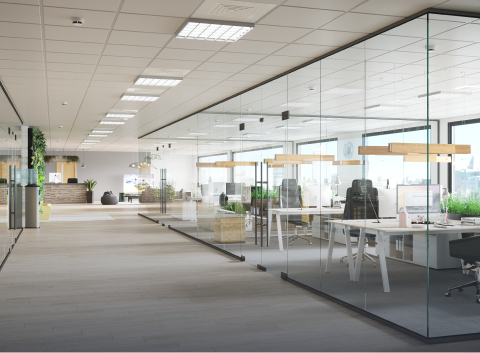
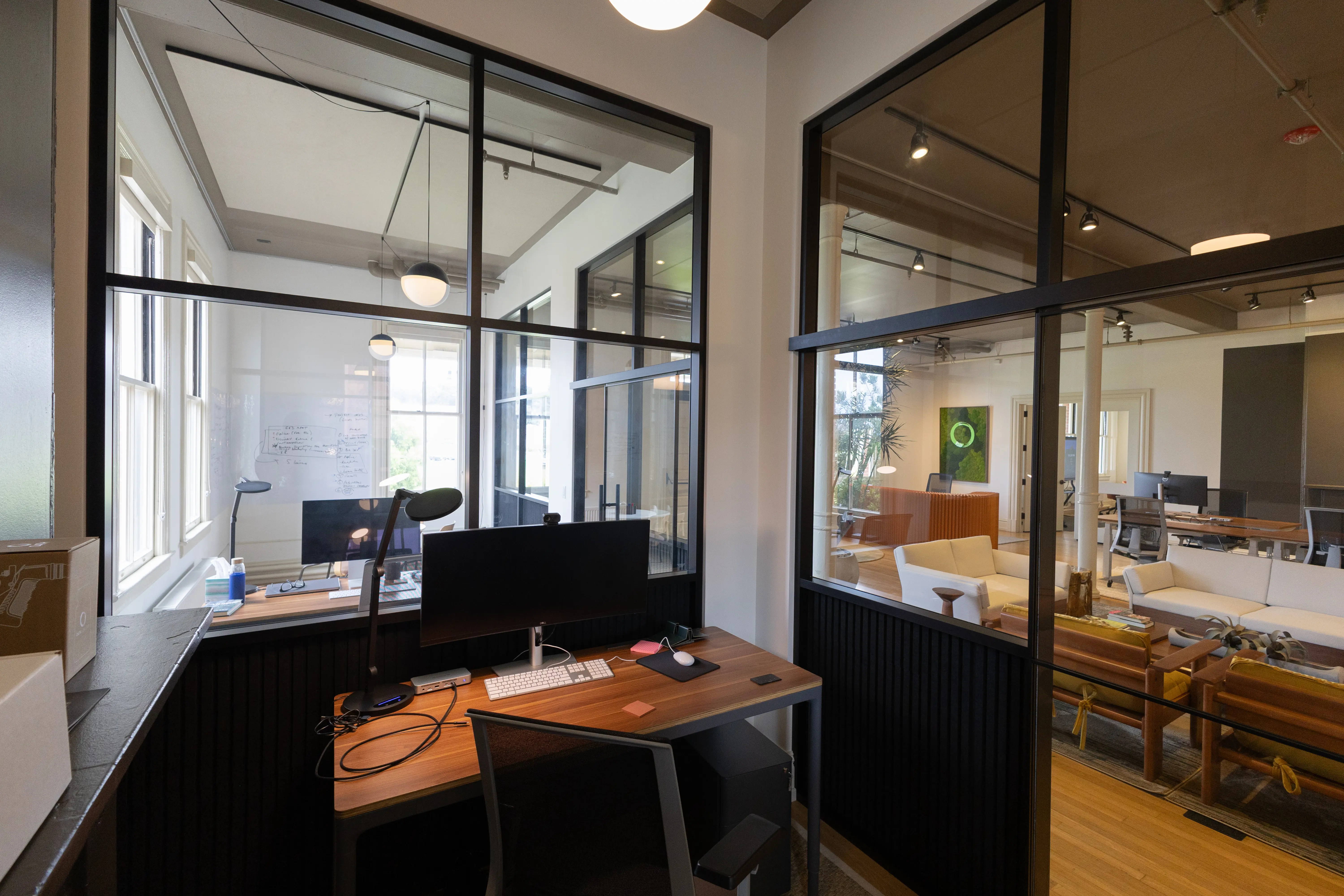
A solid interior wall stops daylight at the glass line of the nearest window. A full-height glass partition lets that light keep traveling, so private offices and conference rooms along the core still borrow daylight from the perimeter instead of running on overhead lighting all day.
This isn't only a comfort point. Access to daylight and views is a measurable factor in green and wellness building programs, including LEED's daylight credits and the WELL Building Standard's circadian and lighting concepts. If your project is chasing either, glass partitions are one of the cheaper ways to move the needle on daylight reach.
2ACOUSTIC PRIVACY, WHEN YOU SPEC THE RIGHT GLASS
This is where most generic articles wave their hands, so here are real numbers. Sound isolation is measured by Sound Transmission Class (STC), or Rw outside the US, and the glass make-up changes it dramatically:
• Single-pane tempered glass: roughly STC 25–30. Fine for visual separation; you'll still hear conversation clearly through it.
• Single laminated glass: STC ~35–38. The acoustic interlayer adds about 3–5 points and knocks loud conversation down to a low murmur.
• Double-glazed (two panes, air gap): up to about STC 40.
• Double-glazed laminated systems: STC 42–50, the right call for HR offices, executive suites, and boardrooms.
One caveat worth telling clients up front: the rating applies to the whole assembly, not the glass alone. A partition is only as quiet as its weakest point, so the door, the seals, and the head and floor details matter as much as the pane. A double-glazed wall with a single-pane door and an unsealed gap underneath will not perform at its lab STC.
3SMALL ROOMS READ AS LARGER
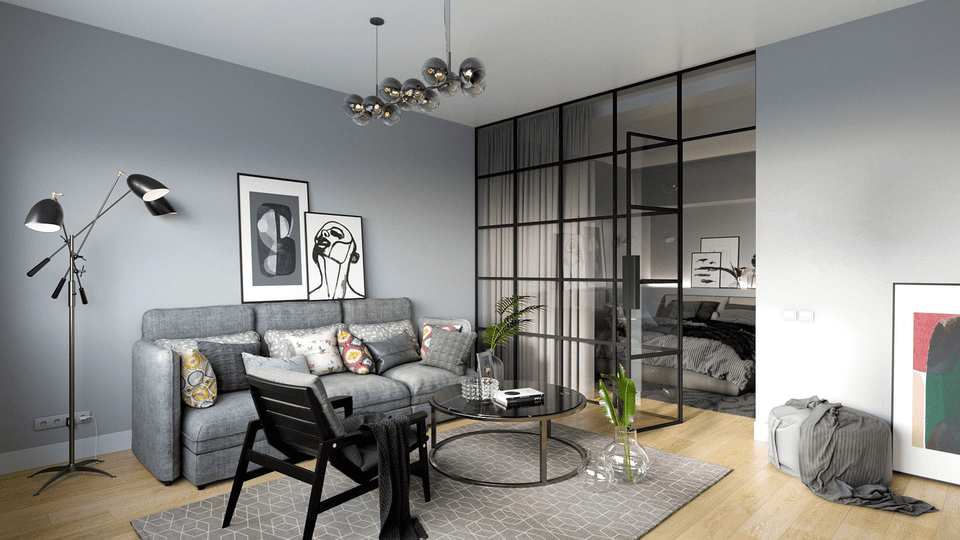
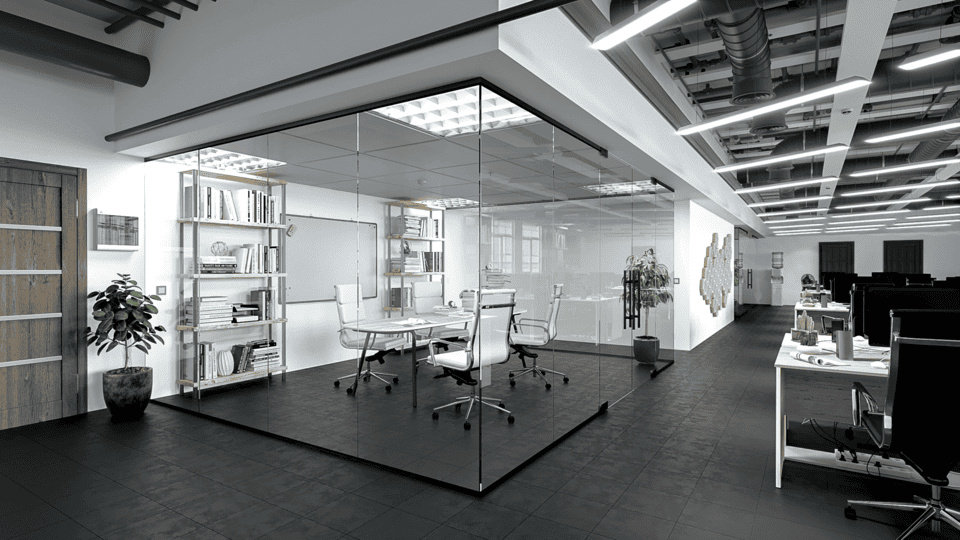
Because the eye travels straight through, glass partitions remove the visual boundary that makes compact offices feel boxed in. A 10-by-10 conference room enclosed in glass feels open; the same room in drywall feels like a closet. This is the practical reason startups and design-forward teams reach for glass when every square foot is leased and nobody wants warren-of-cubicles energy.
4LOWER LIGHTING LOAD AND BETTER ENERGY PERFORMANCE
More borrowed daylight means less reliance on artificial lighting during working hours. Paired with daylight-harvesting controls that dim fixtures as natural light rises, that's a direct cut to lighting energy, which is one of the larger electrical loads in a typical office. The effect is modest on its own but real, and it stacks with the daylight and wellness benefits above rather than competing with them.
5THEY COME APART AND MOVE (A GENUINE BUDGET ARGUMENT)
This is the benefit facilities managers care about most and brochures rarely explain. Demountable glass partitions are mechanically assembled, not built wet like drywall. When a team grows or a floor gets reconfigured, panels unclip and relocate instead of getting demolished and sent to a landfill.
There's a financial wrinkle worth raising with the client's finance team: because demountable partitions are often treated as relocatable assets rather than permanent construction, some companies can depreciate them on a shorter schedule (closer to furniture) than fixed drywall. Tax treatment depends on the specific install and jurisdiction, so that's a conversation for their accountant, not a guarantee, but it's a real reason large tenants choose demountable systems.
6REAL CUSTOMIZATION: PRIVACY, BRANDING, AND SWITCHABLE GLASS
"Customizable" usually means a finish menu. Here's what's actually on it and what each option is for:
• Frosted or acid-etched glass for visual privacy without losing light, common in wellness rooms and bathrooms-adjacent spaces.
• Applied film and frit patterns for branding, manifestation safety markings, or graduated privacy bands at sitting/standing height.
• Switchable (PDLC) smart glass that turns from clear to opaque with a switch, for boardrooms that need privacy on demand.
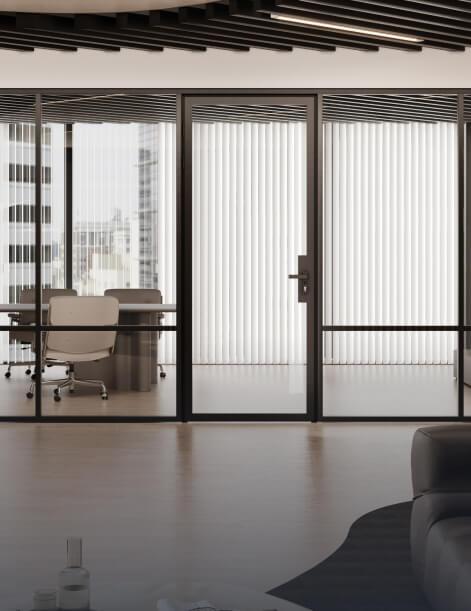
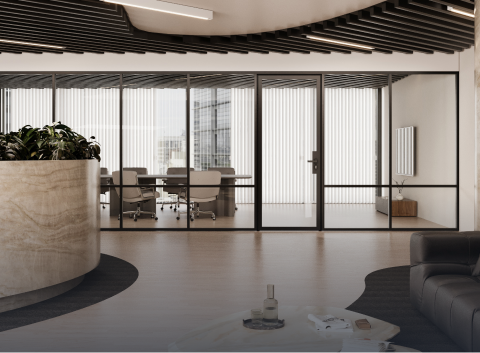
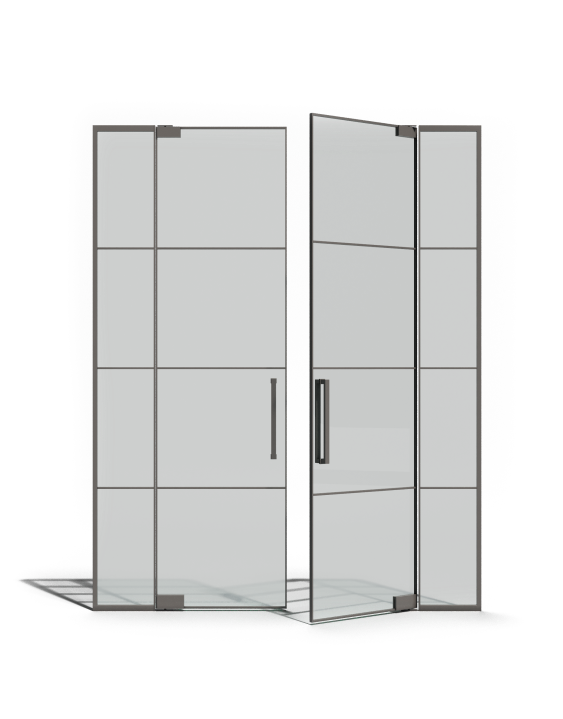
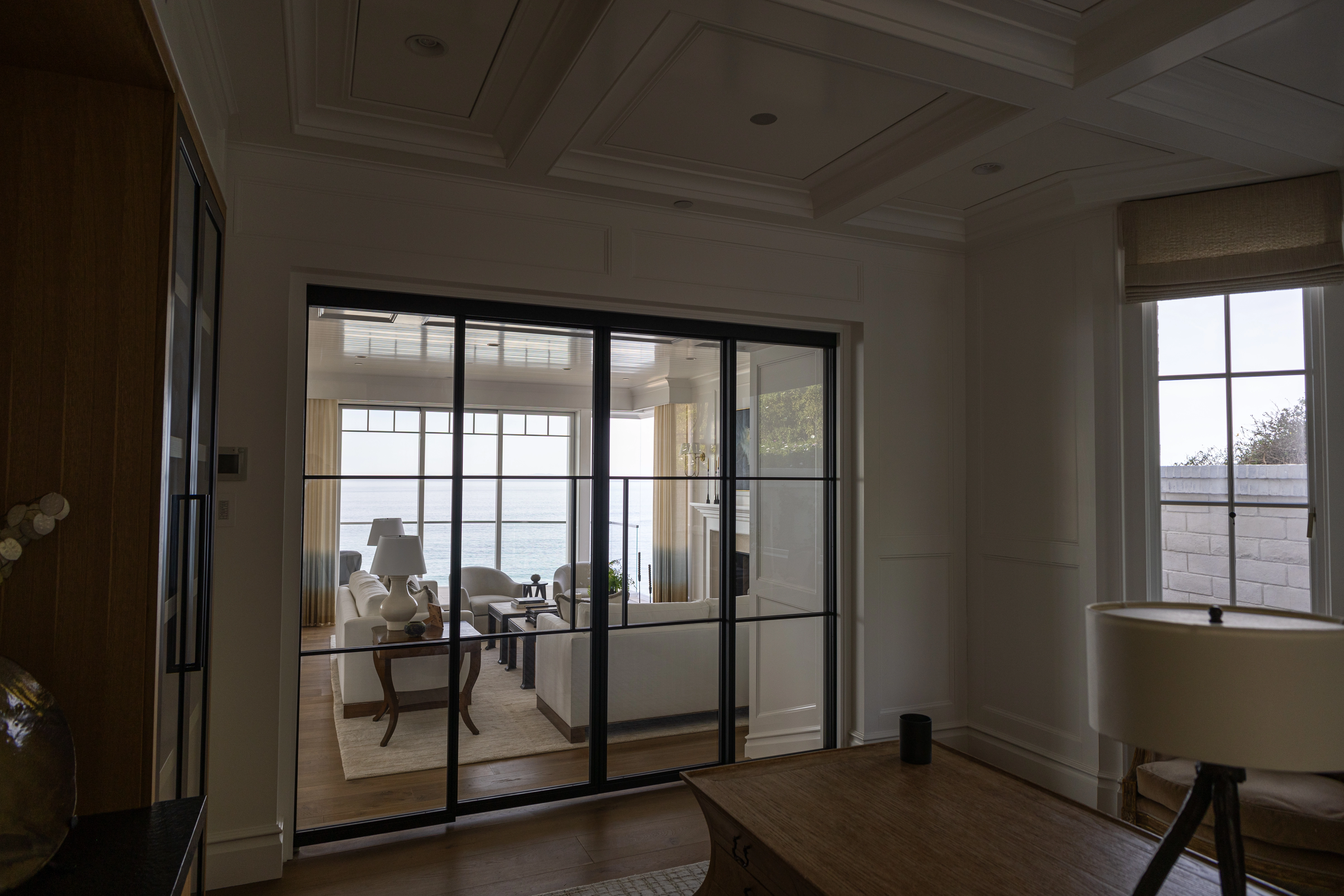
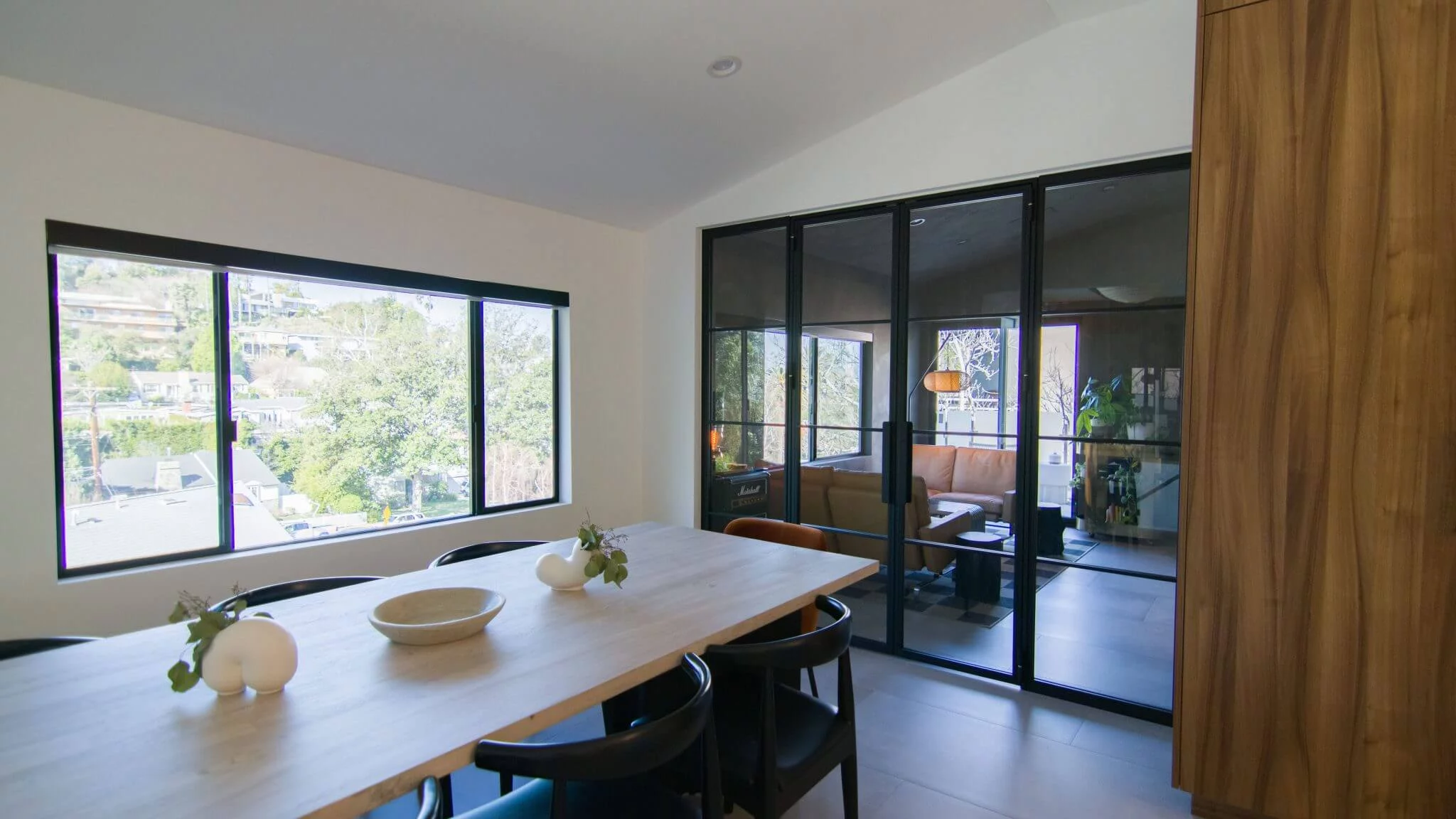
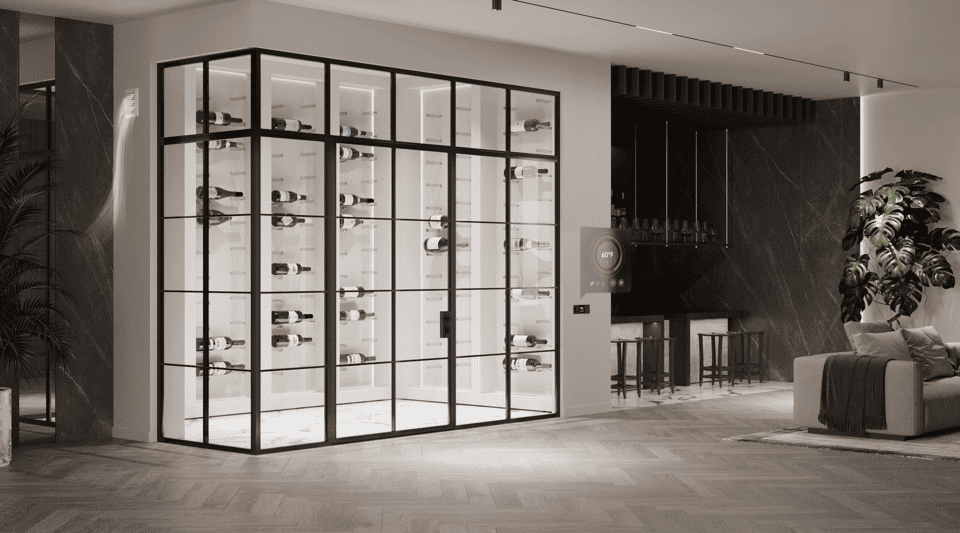
• Framing choice — frameless for the most minimal look, slim aluminum for budget and speed, or steel (black-framed, Crittall-style) for a warmer, architectural feel.
7FASTER, CLEANER INSTALLATION THAN BUILDING WALLS
Drywall construction is wet, dusty, and disruptive: framing, board, tape, mud, sanding, paint, dry time. A demountable glass system is dry-installed and goes up in a fraction of the time, often after hours, so an occupied office keeps working. No drywall dust through the HVAC, no multi-day cure. Day-to-day upkeep is just glass cleaner and a microfiber cloth; the hardware is built for repeated door cycles.
8SAFETY AND CODE COMPLIANCE ARE NON-NEGOTIABLE HERE
Glass partitions sit in what building codes call hazardous locations — areas near doors and walking surfaces — so the glass must be safety glazing by law. In the US that means tempered or laminated glass meeting CPSC 16 CFR 1201 (federal law) and/or ANSI Z97.1, with the assembly following IBC Section 2406 for safety glazing. Tempered glass is heat-treated so it breaks into small, dull-edged pieces instead of shards.
Two things to confirm on any quote: that the glass carries a permanent etched mark citing the standard and impact category (Category II / 400 ft-lb is the higher-impact rating), and that the supplier installs to local commercial and residential building codes. Reputable fabricators document both. If a vendor can't show you the standard their glass meets, that's the answer.
SINGLE VS. DOUBLE GLAZING: A QUICK DECISION GUIDE
Most office projects don't need the highest-spec wall everywhere. A practical rule of thumb:
• Single-pane tempered — open collaboration zones, internal-facing rooms where you want separation but not silence.
• Single laminated — standard meeting rooms and managers' offices that need conversational privacy.
• Double-glazed laminated — HR, legal, executive, and boardrooms where confidentiality is the point.
Spec'ing the highest-acoustic system across an entire floor wastes budget; matching glass to the privacy each room actually needs is what an experienced installer brings to the table.
WHAT FULL-HEIGHT GLASS PARTITIONS COST
Pricing varies with glass make-up, framing, hardware, and door count, so any single number is misleading. The drivers are predictable, though: laminated and double-glazed assemblies cost more than single-pane; frameless and steel-framed systems cost more than slim aluminum; switchable glass is a premium. The reusability in benefit #5 is what changes the long-run math — a wall you relocate twice is cheaper over a lease than two drywall builds. For an accurate figure, a layout-based quote beats a per-square-foot estimate.